
Tag: OCI
-

Creating a Command Line Chatbot with Llama3 and OCI
Unleash the Power of Generative AI with OCI and Llama. Discover how to seamlessly integrate Oracle’s Generative AI service, offering an immersive chat experience with a twist. This tutorial goes beyond the basics, showing you how to create engaging, context-aware conversations. With a few simple modifications, you can make your interactive and intelligent chatbot. Dive…
-
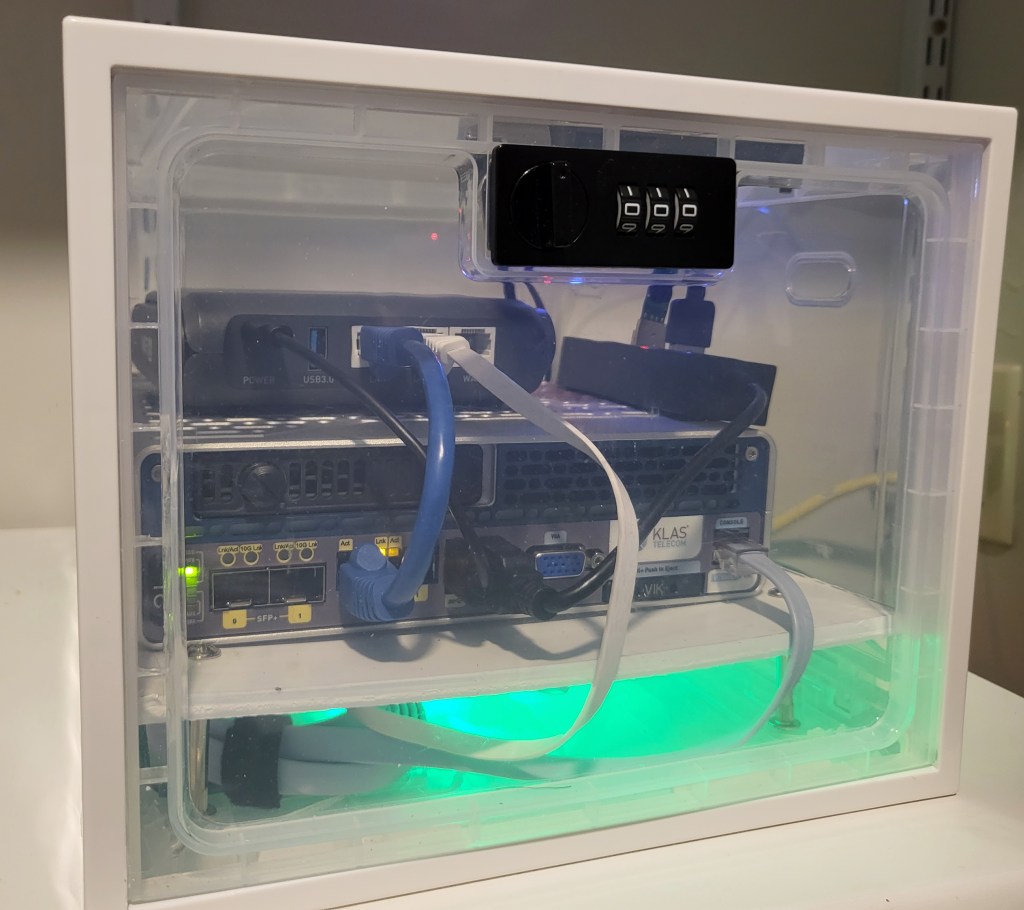
Portable Data Center: Roving Edge Ultra
Prior to last year’s CloudWorld, we debated what interesting thing could we show with the Roving Edge Ultra. Our whole team was very excited about access to USB ports and leveraging them for peripherals. The question became, what can we do in short order on a part-time schedule. Then the idea popped. What about building…
-
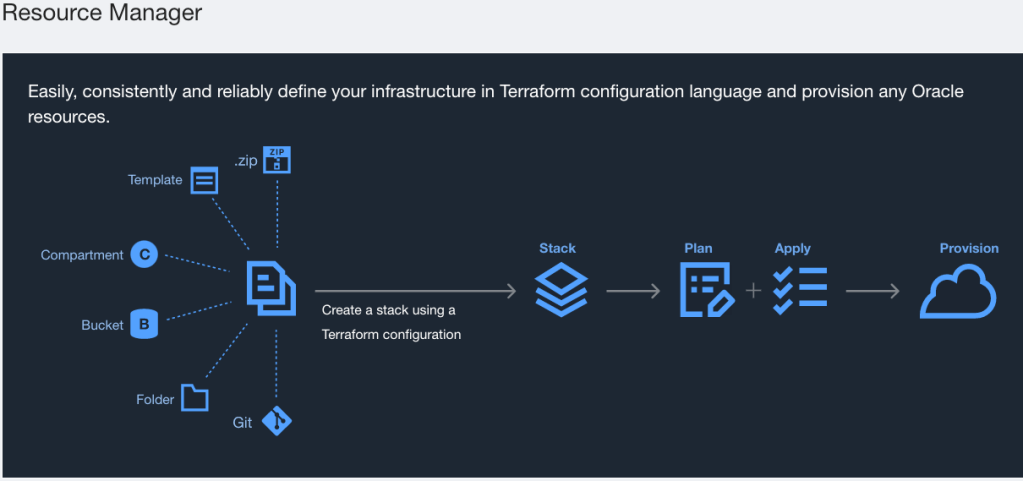
Resource Manager Private Templates
I’ve grown to really appreciate Oracle’s Resource Manager Service (RMS) as a method to implement infrastructure as code using a standard tool like Terraform, but without the headache of managing a Terraform server. The recent addition of private endpoints has been a huge improvement in the security posture of this product. One area that I’ve…
-

First Hands-On with Roving Edge
The Oracle Roving Edge Infrastructure (Roving Edge) is not a new solution for Oracle Cloud, but it is new to some. Originally developed for the intelligence and defense communities, the Roving Edge was designed to take OCI to the most remote regions of the world where connectivity is often impossible. The Roving Edge just recently,…
-

Maintenance Page
A while back, when OCI was relatively new, I had a client ask how they could have a page automatically appear when none of the load balancer backends were viable. The idea was to display a maintenance message when the backend system was down for maintenance or due to a system outage. At that time,…
 The OCI Tool